Clapton Common wedding flowers guide for local venues
Posted on 02/10/2026
Clapton Common Wedding Flowers Guide for Local Venues
Planning wedding flowers around Clapton Common can feel simple at first, and then suddenly the details start stacking up. Which flowers suit the venue? How many arrangements do you really need? Will the bouquet still look fresh by the time the ceremony starts, or just a bit tired and apologetic? This Clapton Common wedding flowers guide for local venues is here to make the whole thing feel calmer, clearer, and much more doable.
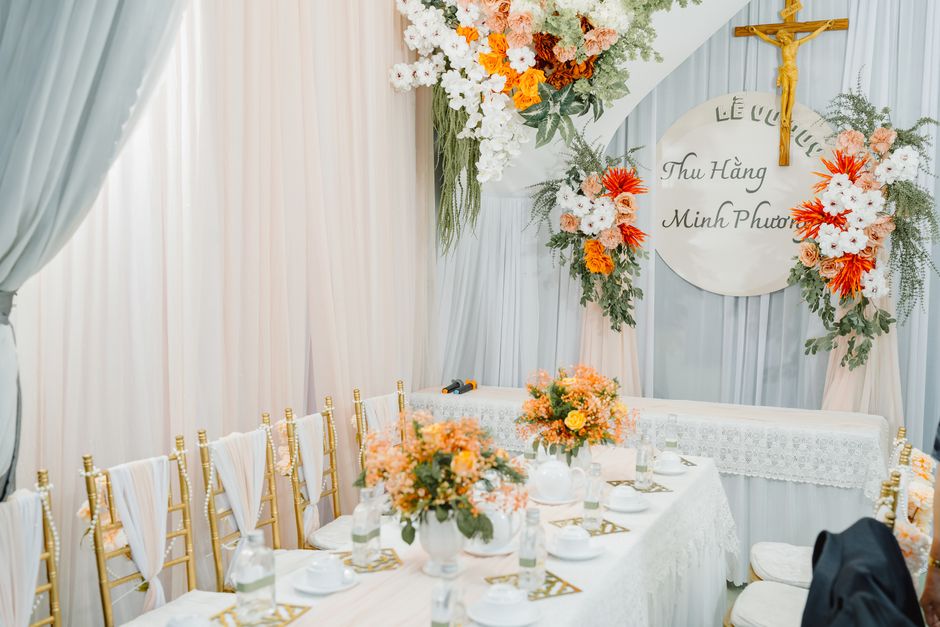
Whether you are getting married in a cosy local hall, a restaurant space, a small function room, or a nearby church setting, the flowers should do more than look pretty. They should fit the room, the season, the light, the layout, and your budget. Truth be told, the best wedding flowers are the ones that feel like they belong there. Not too much. Not too little. Just right.
In this guide, you will find practical advice on styling local venues, choosing bouquets and table arrangements, avoiding common mistakes, and building a flower plan that works on the day. If you are also looking for inspiration beyond weddings, it can be useful to browse the broader range of wedding flowers in Upper Clapton and the curated wedding collection for ideas that suit different styles and budgets.
Table of Contents
- Why Clapton Common wedding flowers guide for local venues Matters
- How Clapton Common wedding flowers guide for local venues Works
- Key Benefits and Practical Advantages
- Who This Is For and When It Makes Sense
- Step-by-Step Guidance
- Expert Tips for Better Results
- Common Mistakes to Avoid
- Tools, Resources and Recommendations
- Law, Compliance, Standards, or Best Practice
- Options, Methods, or Comparison Table
- Case Study or Real-World Example
- Practical Checklist
- Conclusion
- Frequently Asked Questions
Why Clapton Common wedding flowers guide for local venues Matters
Local venues around Clapton Common tend to have their own character. Some are bright and airy, others are more intimate, and a few have that slightly tricky mix of low ceilings, mixed lighting, and limited setup time. Flowers can either lift those spaces beautifully or crowd them. That is why venue-specific planning matters so much.
A wedding bouquet on its own is only part of the picture. The ceremony flowers, buttonholes, table centres, entrance pieces, and any little decorative touches need to work together. If they do, the whole event feels intentional. If they do not, the room can look a bit scattered, even with expensive stems. And nobody wants that after all the effort of choosing the dress, the outfits, the guest list, and the cake.
For local weddings, flowers also need to suit practical realities. Delivery windows can be tight. Access to venues may be awkward. Some spaces have very little room for staging or installation. In our experience, couples who think through the venue layout early usually end up with a cleaner, more elegant result - and less panic on the morning.
There is also the local style factor. Clapton Common sits in a part of London where modern tastes often mix with classic, personal details. That means your flowers do not need to be overly formal unless you want them to be. A relaxed garden feel, a crisp white scheme, a rich romantic palette, or something a little wild and seasonal can all work well if they are matched properly to the venue.
Expert summary: the strongest wedding flower plans are not just beautiful, they are venue-aware. That means scale, timing, colour, and installation all get considered together, not separately.
How Clapton Common wedding flowers guide for local venues Works
The basic process is simpler than it sounds. You start with the venue, then build the flowers around the space rather than the other way round. That one shift in thinking saves a lot of stress.
First, look at what the venue already gives you. Does it have strong architectural features, such as arches, fireplaces, or long tables? Is the room already full of visual detail, or is it a blank canvas? A venue with lots of texture may only need a few well-placed arrangements. A plain room, on the other hand, may need more structure and colour to avoid feeling flat.
Next, decide where flowers will have the biggest impact. For many couples, that means the bouquet, ceremony focal point, tables, and perhaps one entrance arrangement. For smaller budgets, the trick is to concentrate impact in the places guests will notice most. Honestly, guests remember the feel of the room more than the number of stems per vase.
Then comes style matching. A soft pastel palette works differently in a candlelit restaurant than it does in a daylight-filled hall. Seasonal flowers often help here because they tend to feel more natural, but the most important point is cohesion. Roses, lisianthus, orchids, hydrangeas, tulips, and mixed foliage can all work well if the styling is consistent.
Finally, the logistics. That includes delivery timing, water sources, transport, and whether the florist needs to set anything up on site. If your venue requires quick turnover between ceremony and reception, you will need arrangements that can be moved easily. Simple point, but crucial. It can save the day.
Key Benefits and Practical Advantages
Good wedding flowers do more than look lovely in photographs. They shape the atmosphere of the whole day. Here are the biggest practical benefits of planning them properly for local venues:
- Better venue fit: the scale and colour story suit the room, so everything feels polished rather than forced.
- Smarter budgeting: flowers are placed where they matter most, which reduces waste and improves visual impact.
- Smoother setup: arrangements designed for the venue are easier to deliver, place, and move if needed.
- Stronger photos: florals frame key moments like vows, speeches, and table shots without looking cluttered.
- Less stress on the day: when the plan is clear, there is less last-minute decision-making.
Another underrated benefit is consistency. A thoughtful flower plan makes the whole wedding feel more joined up. Bouquet, buttonholes, bridesmaid flowers, and table arrangements can all echo each other without being too matchy-matchy. That balance is harder to get than people think. It looks easy when it works, which is probably why it gets overlooked.
If you are comparing styles, the wider product range at bridal bouquets, bridesmaid bouquets, buttonholes, and table arrangements can help you see how each part of the day connects visually.
Who This Is For and When It Makes Sense
This guide is for couples planning a wedding near Clapton Common who want the flowers to feel local, personal, and appropriate to the venue. It is especially useful if you are:
- getting married in a venue with limited decorative space
- trying to stretch a realistic budget without losing elegance
- wanting a colour palette that works in photos and in person
- choosing between classic and modern floral styles
- planning a ceremony and reception in the same place
- using a florist who needs clear delivery or setup instructions
It also makes sense for anyone who is still deciding how formal the flowers should be. Some couples want a showpiece bouquet and understated venue flowers. Others want the room to feel fully dressed. Both are valid. The right answer depends on the venue, the guest count, and the mood you want to create.
To be fair, there is no single "correct" wedding flower formula. A small intimate ceremony can look more elegant with three strong floral moments than with ten smaller ones that never quite land. On the other hand, a larger celebration often benefits from more repetition and more visible structure. It depends.
Step-by-Step Guidance
- Start with the venue layout. Walk through the space and mark the main visual points: entrance, ceremony backdrop, aisle, tables, registry area, bar, and any photo spots.
- Set your floral priorities. Decide what matters most: bouquet, ceremony flowers, guest tables, top table, or all of the above. If budget is tight, prioritise the areas people will see for the longest time.
- Choose a style direction. Decide whether you want romantic, modern, garden-inspired, classic white, bold and colourful, or seasonal and relaxed. Keep it simple at this stage.
- Match the palette to the room. Darker rooms often suit richer tones and brighter contrast. Light-filled venues can take soft neutrals, pale blush, ivory, or airy mixed flowers.
- Think about practicality. Ask how arrangements will be transported, how long they need to last, and whether any designs need to be moved after the ceremony.
- Check the size of each piece. A tall centrepiece might look fantastic in a large hall and completely overwhelm a small dining room. Scale matters more than people expect.
- Build in flexibility. Good florists can often repurpose ceremony flowers for the reception. That is a smart way to extend your budget without making the day feel stripped back.
- Confirm timings and access. Make sure the florist knows the delivery point, setup window, parking access, and any venue rules. A beautiful plan is useless if nobody can get the stems in the door on time.
A helpful little trick: lay out your venue notes alongside your flower ideas. If the venue has a long aisle but a tiny dining space, the flowers should reflect that. If the ceremony room is the star and the reception is informal, spend accordingly. Keep it grounded.
Expert Tips for Better Results
1. Use fewer varieties, but use them well. A tighter flower mix often looks more refined than a chaotic combination of too many blooms. Roses, lisianthus, orchids, and foliage can make a strong statement when repeated with intention.
2. Think about sightlines. Guests should be able to see the couple, the speeches, and each other. Tall arrangements are lovely, but if they block faces or dominate a table, they can become frustrating fast.
3. Plan for the weather, even indoors. Summer heat, cold entrances, and travel between venues can all affect how flowers hold up. In the UK, you never quite know what the day will do, and that little unpredictability is half the charm, if a bit annoying.
4. Keep your bouquet comfortable to carry. A bouquet that is too heavy can be awkward in the ceremony and tiring by the time the photos start. The best ones feel natural in the hand.
5. Consider scent carefully. Fragrance can be gorgeous, but very strong-smelling flowers may not suit enclosed spaces or sensitive guests. Use scent with a light hand, especially for dinner settings.
6. Let the venue breathe. One of the biggest mistakes is overfilling the room. A little empty space around well-chosen flowers can make the design feel expensive and calm, which is often what people actually want.
If you like a more romantic look, options such as white bridal bouquets, pure romance styles, or a fuller wedding collection can help you narrow the mood quickly.
Common Mistakes to Avoid
Even well-organised couples can get caught out by the same handful of issues. Here are the ones worth avoiding:
- Choosing flowers before checking the venue: lovely stems, wrong scale. That happens more than you might think.
- Ignoring setup logistics: if the florist cannot access the venue easily, the day becomes more stressful than it needs to be.
- Spending evenly everywhere: not every area deserves equal budget. Focus on the spaces that shape the guest experience.
- Overcomplicating the palette: three or four well-chosen tones usually work better than seven competing ones.
- Forgetting the movement of the day: a ceremony design might need to be moved, reused, or repurposed. Plan for that early.
- Leaving approval too late: if you are commissioning bespoke pieces, confirm the design in good time so there are no surprises.
One small but important detail: do not assume all wedding flowers need to be "statement" flowers. Sometimes the table arrangements are the thing that quietly holds the whole look together. Quiet confidence. That is the secret, really.
Tools, Resources and Recommendations
You do not need a mountain of equipment to make good floral decisions, but a few practical tools can help a lot:
- A venue floor plan or rough sketch to mark key floral points
- A colour reference board showing dresses, table linen, or decor tones
- Photos of the venue in daylight and evening light if available
- A guest table count so you can estimate how many centrepieces are needed
- A delivery and setup timeline with the venue contact details
For product inspiration, the local shop selection can be useful when you want to compare bouquets, buttonholes, and table pieces side by side. You might also find it helpful to explore rose, lily and orchid centrepieces, roses and lisianthus arrangements, and white lily, rose and orchid centrepieces if you are aiming for a polished, venue-friendly look.
On the service side, a reliable local florist should also be able to advise on delivery, flower care, and any practical limits of the blooms you choose. The pages for delivery information, flower care, and guarantees are worth checking if you want clarity on what happens before and after the event.
Law, Compliance, Standards, or Best Practice
Wedding flowers are not a heavily regulated purchase in the way some professional services are, but best practice still matters. The key is to be clear, accurate, and practical with your supplier and venue.
From a consumer point of view, it helps to understand what is included in your order, how substitutions are handled, when delivery happens, and what the cancellation or refund position is. That is basic but important. Read the florist's terms carefully, and if anything feels unclear, ask before paying. The boring admin bit, yes - but it can save a headache later.
Venue best practice is also important. Some spaces have restrictions on candles, hanging installations, taped surfaces, or access times. Flowers themselves may be fine, but the way they are installed can matter. Check with the venue about what is allowed, where arrangements can go, and whether anything needs to be removed by the end of the night.
For sustainability-minded couples, consider seasonal flowers, reusable vessels, and repurposing ceremony pieces for the reception. The florist's sustainability information may help you understand how they approach sourcing and waste reduction. If you are planning larger orders or corporate-style multi-venue floral work, the corporate accounts page can also give a sense of how structured service options are handled, even if your event is personal rather than business-related.
Options, Methods, or Comparison Table
Choosing the right floral approach usually comes down to balancing style, logistics, and budget. Here is a simple comparison that may help.
| Option | Best for | Advantages | Watch-outs |
|---|---|---|---|
| Minimal ceremony flowers | Small venues, intimate weddings, tighter budgets | Clean look, lower cost, simple setup | Can feel too bare if the venue is very plain |
| Balanced bouquet + table styling | Most local venues and medium guest counts | Good value, visually complete, flexible | Needs careful planning so the pieces feel connected |
| Full venue styling | Larger receptions and statement weddings | Strong visual impact, highly memorable | Higher cost and more setup coordination |
| Repurposed flowers | Couples wanting value without losing style | Makes the most of each arrangement | Requires good timing and a florist who can plan transitions |
A practical middle ground is often the smartest route. For example, a feature bouquet, buttonholes, a small ceremony arrangement, and coordinated table flowers can look finished without becoming excessive. That tends to suit local venues well, especially where guests are close to the action and do not need big theatrical pieces to feel the atmosphere.
Case Study or Real-World Example
Imagine a couple planning a late-spring wedding near Clapton Common. Their venue is a modest, light-filled room with pale walls, simple tables, and a small ceremony corner. They first thought they needed a lot of flowers everywhere, but after walking the room they realised the space only needed a few strong moments.
They chose a soft white and blush palette with roses, lisianthus, and gentle greenery. The bouquet was slightly fuller than the table flowers so it held its own in photos. The ceremony area had one focal arrangement, and the guest tables used lower designs so conversations were not interrupted. Simple, really - and much more effective than scattering small arrangements around the room.
The nice thing about that kind of approach is how calm it feels. No overstuffed corners. No awkward giant displays blocking faces. Just a room that felt fresh, welcoming, and quietly special. By the time the reception started, the flowers were doing exactly what they should: making the space feel cared for, without asking for attention every five seconds.
If that sounds like the sort of result you want, start by browsing the local wedding range and then narrow down the bouquet, buttonhole, and table options that match your venue layout.
Practical Checklist
Use this checklist to keep your wedding flower plan on track:
- Confirm the venue name, address, and access instructions
- Note the ceremony and reception times
- Measure or estimate table sizes and counts
- Choose a clear colour palette
- Decide which pieces are essential and which are optional
- Check whether ceremony flowers can be reused later
- Review flower care and delivery timing
- Tell the florist about any allergies or scent sensitivities
- Ask what substitutions may be made if certain stems are unavailable
- Confirm the final order in writing before the wedding week
Quick reality check: if something feels vague at this stage, it probably needs another conversation. Better now than on the morning with guests arriving and someone hunting for a vase. Been there, seen it, not ideal.
Conclusion
Flowers can quietly transform a local wedding venue, but only when they are chosen with the space in mind. That is the heart of this Clapton Common wedding flowers guide for local venues: use the room as your starting point, keep the design coherent, and focus on the moments people will actually see and remember.
When you get the balance right, everything feels easier. The venue looks more intentional, the photos feel more polished, and the whole day carries a softer sense of ease. Not perfect, not overworked - just right. And in weddings, that calm, finished feeling goes a long way.
If you are at the planning stage now, take one room, one palette, and one floral priority at a time. That is usually enough to turn a vague idea into something genuinely beautiful.
Get a free quote today and see how much you can save.
Frequently Asked Questions
What flowers work best for Clapton Common wedding venues?
Roses, lisianthus, orchids, hydrangeas, and seasonal mixed arrangements usually work well because they adapt easily to different room sizes and styles. The best choice depends on how much space the venue has and whether you want a soft, romantic look or something more structured.
How far in advance should I book wedding flowers?
As early as you can, especially if your wedding is during a busy season. Early booking gives you more choice over design, timing, and flower varieties. It also leaves more room to refine details without rush.
Can wedding flowers be reused from the ceremony at the reception?
Yes, often they can. Ceremony arrangements, aisle flowers, and some entrance pieces can frequently be repurposed for tables or display areas. It is one of the best ways to stretch a budget without making the day feel sparse.
How do I choose flowers that suit my venue?
Look at the venue's size, lighting, colour, and existing decor. Then match the scale of the flowers to the room. A large space can handle bolder designs, while a smaller venue usually looks better with fewer, more intentional arrangements.
What is the average budget for wedding flowers?
Budgets vary a lot depending on guest count, flower types, and how many areas you want styled. Rather than aiming for a fixed average, it is better to set priorities: bouquet first, then ceremony, then tables or extras as needed.
Should I choose seasonal flowers?
Seasonal flowers are often a sensible choice because they usually feel natural and can be more straightforward to source. They also tend to suit the time of year, which helps the arrangement feel harmonious without much effort.
Do I need buttonholes and bridesmaid bouquets as well?
Not necessarily, but they do help the wedding party feel coordinated. If your budget is limited, you can keep these simple and still make the overall floral plan look polished.
What if my venue has very little space for flowers?
That is completely fine. In small venues, fewer but better-placed arrangements usually look more elegant than lots of tiny pieces. Focus on the bouquet, the ceremony focal point, and one or two table designs if needed.
How do I make wedding flowers look expensive without overspending?
Choose a restrained palette, repeat the same flower types, and place arrangements where they will make the strongest visual impact. Clean design often looks more luxurious than trying to do too much.
What should I ask the florist before ordering?
Ask about delivery timing, setup, substitutions, flower care, and whether the arrangements can be moved or repurposed later. It is also wise to confirm what is included in the price and how changes are handled.
Are there any venue restrictions I should check?
Yes. Some venues have limits on candles, hanging displays, floor-standing pieces, or access times. Always check the venue's rules before finalising the designs so there are no last-minute surprises.
Where can I browse wedding flower options locally?
You can explore the dedicated wedding collection, along with specific bouquet, buttonhole, and table arrangement pages to compare styles and build a plan that suits your venue.