Insider tips to prolong cut flowers from Upper Clapton florists
Posted on 18/10/2026
If you have ever brought home a fresh bouquet, admired it for an hour or two, and then watched the petals start to droop far too soon, you are not alone. The good news is that there are some genuinely effective insider tips to prolong cut flowers from Upper Clapton florists, and most of them are simple once you know what matters. A few small changes in how you unpack, trim, place, and refresh your flowers can make a surprising difference. Not magic, just good practice. And, to be fair, flowers do respond beautifully when you treat them properly.
In this guide, we will walk through what actually helps cut flowers last longer, how florist-handled stems behave after delivery, the mistakes that quietly shorten vase life, and the best way to care for different blooms once they reach your kitchen table or hallway shelf. If you want your arrangement to still look cheerful a few days later, or even longer, you are in the right place.
For readers comparing local options, it can also help to understand the delivery and product side of things. A bouquet chosen from a trusted florist in Upper Clapton E5 or selected from flower delivery in Upper Clapton E5 services may arrive in different packaging, hydration states, or stem mixes. That is why aftercare matters so much. Fresh flowers are living materials. They are not fragile in the helpless sense, but they do need a bit of steady attention.
Table of Contents
- Why these tips matter
- How flower care actually works
- Key benefits and practical advantages
- Who this is for and when it makes sense
- Step-by-step guidance
- Expert tips for better results
- Common mistakes to avoid
- Tools, resources and recommendations
- Law, compliance, standards, or best practice
- Options, methods, or comparison table
- Case study or real-world example
- Practical checklist
- Conclusion
- Frequently asked questions
Why Insider tips to prolong cut flowers from Upper Clapton florists Matters
The short version? Because cut flowers are delicate, and the clock starts ticking the moment they are cut. Once stems leave the plant, they can no longer draw water through the same root system, so vase life depends on hydration, temperature, cleanliness, and handling. If any of those slip, the bouquet fades faster than it should.
That matters for a few reasons. First, flowers are often bought for a moment with meaning behind it: a birthday, an apology, a thank-you, a quiet "thinking of you" on an ordinary Tuesday. When the blooms last longer, the feeling attached to them lasts longer too. Second, it is better value. Nobody wants to pay for a bouquet that gives up after two days. And third, there is a satisfaction in seeing a well-kept arrangement remain open, bright, and fresh at the end of the week. Small win, but a lovely one.
Upper Clapton customers often order for quick local occasions as well as planned events, so timing matters. Whether you are receiving same day flower delivery in Upper Clapton E5 or arranging something for later in the week, the aftercare starts as soon as the bouquet reaches your door. That first half hour can make a real difference. Truth be told, that is where many people lose a day or two of vase life without realising it.
Expert summary: Longer-lasting cut flowers are usually the result of three things done consistently: clean water, fresh stem cuts, and cooler placement away from heat, fruit, and direct sun. Everything else is support work.
How Insider tips to prolong cut flowers from Upper Clapton florists Works
Think of flower care as a chain. If one link is weak, the whole arrangement suffers. A florist may already have conditioned the stems, removed damaged leaves, and packed the bouquet carefully, but once it is in your home, your routine takes over.
Here is the basic logic behind good vase life:
- Water uptake must stay efficient, which means stems need to be recut and kept clear of blockages.
- Bacteria control is crucial because dirty water clogs stems and shortens freshness.
- Temperature management helps because most cut flowers last longer when kept cool.
- Ethylene exposure should be reduced. Ethylene is a natural ripening gas from fruit and ageing plant material, and it can speed up fading.
- Species differences matter. Roses, lilies, chrysanthemums, tulips, and alstroemeria all have slightly different care needs.
That is why no single tip works for every stem in the same way. A robust bouquet from a flower shop in Upper Clapton E5 may include long-lasting varieties alongside more delicate ones, and the care routine should suit the mix. If the bouquet includes lilies, for example, the pollen heads and water cleanliness become especially important. If it includes tulips, they may keep growing in the vase and lean toward the light. Slightly annoying, yes, but also part of the charm.
The most useful thing to remember is that flowers do not need fussing every ten minutes. They need a calm, consistent routine. A proper trim, a clean vase, fresh water, and a sensible spot in the room. That is the backbone of it.
Key Benefits and Practical Advantages
Following the right aftercare steps gives you more than a prettier table. It improves the whole experience of receiving flowers.
- Longer display life: Flowers can stay presentable for several extra days when water is refreshed and stems are trimmed properly.
- Better scent and appearance: Well-hydrated blooms often keep a cleaner shape and stronger natural fragrance.
- Improved value: You get more enjoyment from the same bouquet, which feels especially worthwhile for gift flowers.
- Less waste: Stems that last longer are less likely to end up in the bin too soon.
- More reliable event styling: Useful for dinners, celebrations, receptions, and home decor where timing matters.
- More confidence choosing blooms: Once you know which flowers last well, you can make sharper buying decisions next time.
There is also a quieter benefit: care routines build confidence. Once you have done it a few times, the process feels easy rather than precious. You stop wondering if the bouquet is "too delicate" and start knowing exactly what to do. That confidence is worth something.
If you are looking for a bouquet that is built around durability as well as style, browse longer-lasting choices such as best sellers or more structured options like flowers in a vase, where the arrangement is already set up for simpler home care.
Who This Is For and When It Makes Sense
This advice is for anyone who wants their flowers to last properly instead of just briefly. That includes gift buyers, home decorators, event hosts, and people ordering from local florists for sentimental occasions.
It makes particular sense if you are:
- sending flowers for a birthday, anniversary, or thank-you
- ordering for a household where no one has time for complicated care
- keeping flowers in a warm room or near a busy kitchen
- receiving a mixed bouquet with different stem types
- planning ahead for a wedding, dinner, or small gathering
- trying to get the most from a budget-friendly bouquet
It is also useful if you have ever thought, "Why do some bouquets last and others collapse so quickly?" Often the answer is not the florist alone. Sure, flower quality matters. Delivery timing matters too. But home care is the missing piece more often than people think.
For example, someone ordering birthday flowers in Upper Clapton E5 may want them to look fresh for the whole weekend, not just on the day they arrive. A simple aftercare routine is the difference between flowers that feel thoughtful and flowers that feel like they gave up early.
And if you are buying for a special relationship moment, such as a proposal, an apology, or a milestone dinner, you probably want every stem to hold its shape beautifully. In that case, a bit of planning goes a long way. Not glamorous. Very effective.
Step-by-Step Guidance
Here is a practical routine you can follow from the moment your flowers arrive.
1. Unpack the flowers promptly
Do not leave bouquets sitting in packaging longer than needed. Flowers that stay wrapped in a warm room can start to sweat, bend, or dry unevenly. Remove the outer wrap, but keep stems supported while you work. If the bouquet was delivered by send flowers in Upper Clapton E5 service, open it as soon as you can after arrival.
2. Use a clean vase
This is not optional, really. A vase that looks "fine" can still carry bacteria, detergent residue, or old stem film. Wash it properly with hot water and rinse well. A squeaky-clean vase is a simple but powerful step.
3. Fill it with fresh, cool water
Fresh cut flowers usually do better in clean, cool water rather than lukewarm water, unless your florist has advised otherwise for a specific stem type. Fill it enough so the stems can drink freely without crowding.
4. Recut the stems
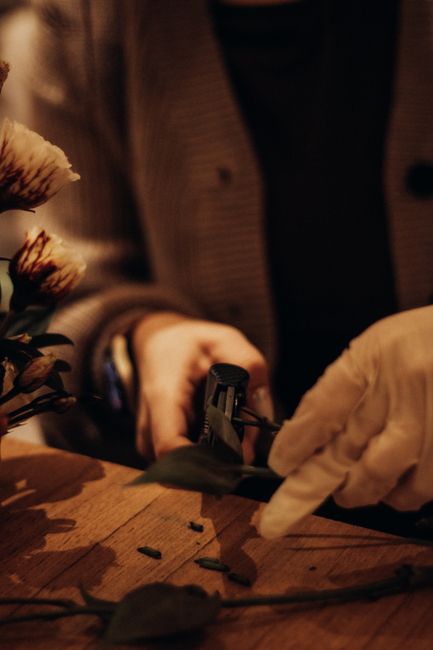
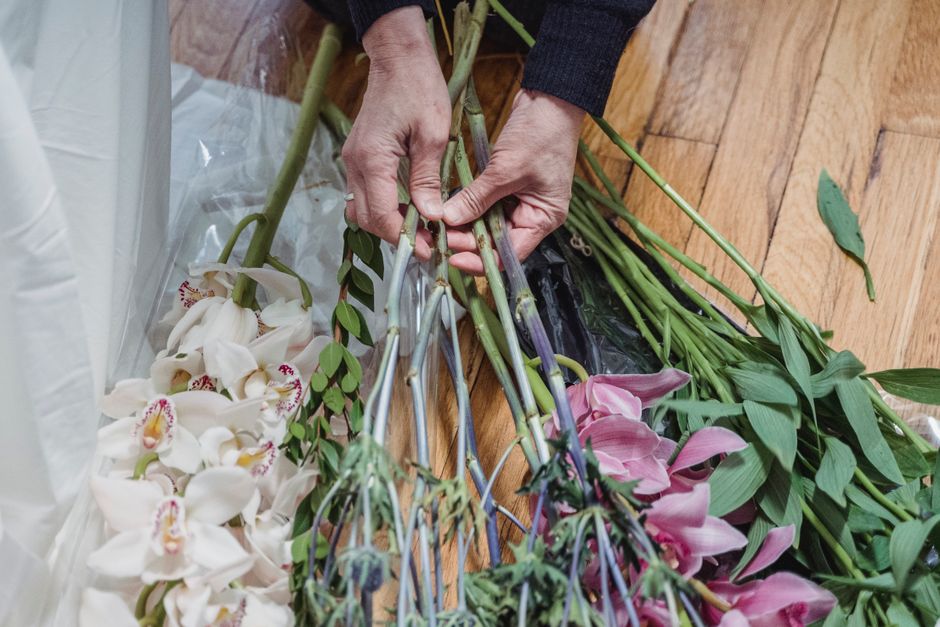
Trim 1 to 2 centimetres off each stem at a slight angle. Use sharp scissors or, better still, a flower knife if you know how to use one safely. The angled cut helps with water uptake and prevents stems from sitting flat at the bottom of the vase. Recutting under running water is even better for some stems because it reduces air entering the cut end.
5. Remove leaves below the waterline
Any leaf sitting in water will rot faster and encourage bacteria. That bacteria clogs stems. You do not want that. Strip off lower foliage before arranging the bouquet.
6. Position flowers carefully
Place the vase somewhere cool, away from direct sun, radiators, ovens, fruit bowls, and draughts. A hallway or side table often works better than a sunny windowsill. Flowers near ripening bananas are getting a rough deal, frankly.
7. Top up and refresh water regularly
Check water daily. Top up if the level drops, and replace the water fully every two days if you can. When changing the water, give the vase a quick rinse and lightly recut the stems if they are looking tired.
8. Remove fading stems
One dying stem can speed up the decline of the rest. Remove any flowers that turn slimy, droop hard, or start shedding petals. The bouquet often looks better immediately after this. A little ruthless, yes, but useful.
For care support after purchase, some people like to keep an eye on florist guidance pages such as flower care, especially if they are handling different varieties or a larger mixed arrangement.
Expert Tips for Better Results
This is where the little insider moves come in. The basics get you most of the way there, but these details can stretch vase life even further.
Keep flowers cool overnight
If your home gets warm in the evening, move the bouquet to the coolest suitable room overnight. You do not need to put it in the fridge unless you know what you are doing and have enough space away from fruit and food. Just a cooler spot can help. In the morning, you will often notice fresher petals and firmer heads.
Use the florist feed, but do not rely on it alone
Flower food is helpful because it typically supports hydration, adds nourishment, and can reduce bacterial growth. Use it as directed. Still, it is not a substitute for clean water. Think of it as a boost, not a cure-all.
Match the vase to the bouquet
A vase that is too short allows stems to flop. A vase that is too narrow crowds them, which restricts airflow and bends the heads. A stable vase with enough height usually performs best. This is one of those oddly boring choices that pays off every time.
Separate the delicate stems if needed
Some flowers do better when arranged in smaller grouped containers rather than one mixed vase. If you have a bouquet with very different stem types, consider splitting it. It sounds fussy, but if you want the longest life possible, it can help.
Watch for temperature spikes
A bouquet may look fine in the morning and tired by evening if the room has heated up. Central heating, cooking steam, or direct afternoon light all add up. When in doubt, cooler and shaded is the safer choice.
Be selective with water depth
Some stems benefit from deeper water, while others prefer less. Hollow or soft stems can become soggy if left too deep for too long. If the florist has included care notes, follow them. If not, standard clean, moderate-depth water is usually the safest starting point.
Use the flower types to your advantage
Some species naturally last longer. Chrysanthemums, alstroemeria, carnations, and some roses can perform well with good care. More delicate or thirsty varieties may need extra attention. If you are choosing for longevity, a mixed bouquet with sturdy stems can be a smart move. Worth thinking about, anyway.
For people buying with longevity in mind, it can help to compare bouquets that are designed around hardier stem choices, such as chrysanthemums, alstroemeria, or carnations.
Common Mistakes to Avoid
Most flower disappointment comes from a handful of ordinary mistakes. None of them are dramatic. That is the annoying part. They seem harmless in the moment.
- Leaving flowers in the wrap too long: Stems need air and water, not a warm bundle on the counter.
- Using a dirty vase: Old residue shortens vase life quickly.
- Forgetting to remove leaves below the waterline: This speeds up bacterial growth.
- Placing flowers near fruit: Ripening fruit releases ethylene, which can age flowers faster.
- Putting the bouquet in direct sun: Lovely for a photo, not great for longevity.
- Ignoring drooping or slimy stems: One bad stem can drag down the whole arrangement.
- Adding too much sugar or random household additives: Home remedies sound clever, but they often do more harm than good.
- Forgetting the water change: Stale water is one of the biggest life-shorteners of all.
Another one to watch: using blunt scissors that crush the stem ends. A crushed stem cannot drink as well. If you have ever wondered why some flowers seem to "stall" after a day, that can be part of it.
And yes, every household has that one person who leaves the bouquet next to the fruit bowl because it "looked nice there." We have all done something like it. Just maybe not with the fancy roses.
Tools, Resources and Recommendations
You do not need a full workshop to care for cut flowers properly. A few simple tools are enough, and they make the process easier.
- Clean vase: Choose one that matches the bouquet height and keeps stems supported.
- Sharp scissors or floral snips: For clean stem cuts without crushing.
- Fresh water container: Handy for changing water without making a mess.
- Flower food sachet: Use according to the packet instructions.
- Soft cloth or paper towels: For wiping the vase and cleaning up leaves.
- Bucket or sink space: Helpful if you are conditioning several stems at once.
If you are sending flowers often, or buying for family members who prefer recurring gifts, a subscription can also be practical. It gives you a regular supply of fresh arrangements, and you learn more quickly which stems last best in real homes. Some customers like the idea of a 3 month flower subscription or longer plans such as a 6 month flower subscription and a 12 month flower subscription.
It is also worth paying attention to flower style. Arrangements in a vase can be easier for busy households, while hand-tied bouquets may need immediate transfer to water. Some customers prefer ready-to-display selections from florist choice styles or more premium options like luxury flowers when lasting impact matters.
Law, Compliance, Standards, or Best Practice
For cut flowers, there is not usually a strict legal issue around home care, but there are still standards and good-practice expectations worth knowing.
First, florists should provide bouquets in a condition that is reasonably suitable for sale and use, and many businesses have their own guarantees or customer policies around freshness and delivery. If a bouquet arrives damaged or in poor condition, it is sensible to check the seller's stated returns or guarantee terms. Keep packaging, note the arrival condition, and contact the business promptly if needed. That is just sensible consumer practice.
Second, if you are handling flowers for public events, workplaces, hospitality, or memorial settings, basic hygiene matters. Clean containers, safe placement, and responsible waste disposal all help reduce mess and avoid unnecessary complaints. Nothing fancy. Just good housekeeping.
Third, if flowers are being delivered as part of a broader service, delivery windows and handling guidance should be clear. A well-run local florist will usually set expectations about timing and care. Reading those details helps avoid misunderstandings, especially for time-sensitive occasions.
Finally, if you have allergies or sensitivities, take reasonable precautions. Some flowers are more fragrant or pollen-heavy than others, so choosing the right bouquet matters as much as caring for it correctly. For anything involving gifts sent to hospitals, care homes, or shared environments, a calmer, lower-pollen arrangement can be the more thoughtful choice.
Best practice, in plain English: buy from a business that explains its products clearly, follow the care notes, and ask questions when you are unsure. Simple, but effective.
Options, Methods, or Comparison Table
Different care approaches suit different households. Here is a quick comparison of the most common methods.
| Method | Best for | Pros | Watch-outs |
|---|---|---|---|
| Basic water change only | Low-maintenance homes | Easy, fast, better than doing nothing | Usually not enough for maximum vase life |
| Full care routine | Most bouquets and gift flowers | Best balance of effort and results | Takes a few minutes every day or two |
| Cool overnight storage | Events, weekends, longer display needs | Can noticeably slow fading | Needs space and a suitable cool area |
| Separate stems by type | Mixed bouquets with varied flower needs | More control over water and placement | Less visually tidy unless arranged carefully |
| Vase-ready arrangement | Busy households or gifts | Convenient and neat | Still needs water changes and trimming |
In real life, most people do best with the full care routine, even if they do not follow every single step every single day. Consistency matters more than perfection. A bouquet treated well most of the time usually lasts much better than one treated perfectly once and then ignored.
Case Study or Real-World Example
Here is a simple, real-world style example based on a very typical home setting in Upper Clapton.
A customer receives a mixed bouquet on a Friday afternoon for a family dinner. The room is warm, there is fruit on the sideboard, and the bouquet is still wrapped when it arrives. In the first version of events, the flowers are left on the table until evening, then hurried into a vase without trimming. By Sunday, the water is cloudy and several heads are limp.
Now the better version. The bouquet is unwrapped immediately, the stems are recut, lower leaves are removed, and the flowers are placed in a clean vase with fresh water. The vase is kept away from the kitchen heat and the fruit bowl. On Sunday, the arrangement still looks lively enough to stay on the table, and by Tuesday it remains a pleasant part of the room rather than a sad afterthought.
That is the difference these habits make. Not glamorous, not complicated. Just effective.
If the bouquet had been ordered as a time-sensitive gift through next day flower delivery in Upper Clapton E5, the same logic would still apply: fast unpacking, fresh water, careful placement. Delivery gets the flowers to the door; aftercare keeps them looking good.
Practical Checklist
Use this quick checklist when your flowers arrive.
- Remove the packaging as soon as possible.
- Wash the vase thoroughly.
- Fill with fresh, cool water.
- Add flower food if provided.
- Trim stems at an angle.
- Remove all leaves below the waterline.
- Place flowers in a cool spot away from sun, radiators, and fruit.
- Check water daily.
- Top up or change the water before it turns cloudy.
- Remove fading blooms quickly.
- Recut stems every couple of days if needed.
- Enjoy the bouquet while it is at its best, not just when it first lands.
If you want the easiest possible setup, choose flowers that arrive in a vase or are arranged for low-effort care. A bouquet from a local shop can still be elegant and practical at the same time. Those two things are not opposites, despite what people sometimes think.
Conclusion
The best insider tips to prolong cut flowers from Upper Clapton florists are not mysterious. They are the kind of practical habits that quietly reward you: clean water, fresh cuts, a cool spot, and a little regular attention. Once you get into the rhythm, it barely feels like work. More like preserving a bit of joy.
Whether you are sending birthday blooms, choosing a sympathy arrangement, or simply brightening your own kitchen, good aftercare helps the flowers do their job for longer. That means better value, better presentation, and a more satisfying experience all round. And honestly, when a bouquet keeps looking beautiful a few days later, it feels like the gift has stretched a little further into the week.
Get a free quote today and see how much you can save.
Choose thoughtfully, care calmly, and let the flowers settle into the room. They usually do the rest.
Frequently Asked Questions
How long should cut flowers last from an Upper Clapton florist?
It depends on the flower type, room temperature, and how they are cared for at home. With good handling, many bouquets can stay fresh for several days longer than the average rushed arrangement. Hardier stems often last better than delicate ones.
What is the single best thing I can do to make flowers last longer?
Change the water regularly and keep the vase clean. If you want a close second, recut the stems. Those two steps do more heavy lifting than most people realise.
Should I put cut flowers in warm or cold water?
For most arrangements, fresh cool water is the safest starting point. Always follow any care note supplied with the bouquet, because some stem types can have slightly different needs.
Do I need to add flower food?
If the florist provides flower food, yes, use it as directed. It can help with hydration and bacteria control. Just do not treat it like a substitute for clean water and a clean vase.
Why do my flowers droop so quickly after delivery?
Common reasons include delayed unpacking, a dirty vase, not enough water, crushed stem ends, or heat exposure. Sometimes it is a mix of several small things rather than one big mistake.
Can I keep flowers in the fridge overnight?
You can sometimes do that, but only if you have a suitable space away from fruit and food, and the temperature is not too cold for the blooms. For most people, a cool room is the easier and safer option.
Which flowers tend to last the longest?
In many bouquets, carnations, chrysanthemums, alstroemeria, and some roses hold up well with good care. The exact result still depends on freshness, delivery timing, and home conditions.
Should I remove leaves from all stems?
Only remove leaves that would sit below the waterline. Upper leaves can stay if they help the bouquet look balanced. The key is avoiding anything that would rot in the vase water.
Is direct sunlight good for flowers?
No, not if you want them to last. Bright rooms are lovely, but direct sun speeds up fading and dehydration. A cool, shaded spot is usually better.
What should I do if a stem starts going slimy?
Remove it immediately, rinse the vase, and refresh the water. Slimy stems can spread bacteria and shorten the life of the whole bouquet. Not fun, but easy to fix if you act quickly.
Do mixed bouquets need different care?
Yes, sometimes they do. Some flowers drink more, some are more delicate, and some produce more debris. If the bouquet has a wide mix of stems, a bit more attention to placement and water quality will help.
Can I use tap water for cut flowers in Upper Clapton?
Yes, in most homes tap water is fine for cut flowers. Use it fresh and clean, and change it regularly. If you know your water is unusually hard or has a strong taste or smell, that may affect vase life a little, but normal tap water is usually acceptable.
How do I choose a bouquet that will last better?
Look for sturdy stems, firm buds, and arrangements that include naturally longer-lasting flowers. Vase-ready designs and florist-curated selections can also be a practical choice if you want less fuss at home.
Are flowers in a vase easier to care for than hand-tied bouquets?
Usually, yes. Vase arrangements arrive closer to the final display state, which saves time and reduces handling. That said, they still need fresh water and a sensible location to keep them looking good.
What if I need flowers for a special event next day?
Choose a reliable delivery option, unpack the flowers quickly, and follow the same aftercare routine straight away. Good preparation on delivery day makes a bigger difference than most people expect.